Belinda Spratt
Wellness Resources

Explore practical, evidence-based wellness insights, case studies, and techniques designed to help clients and therapists alike. This is your hub for expanding your mind and receiving inspiration through information and guidance that builds skills and fosters self-trust.
Micro Habits for Lasting Balance
Wellness is a daily practice — a blend of awareness, gentle actions, and mindful choices that bring your body and mind back into balance. These simple tips are designed to support your wellbeing from the inside out, helping you create more ease, flow, and connection in your everyday life.

Daily Wellness
Wellness isn’t just something you think about — it’s something you live, feel, and practice every day.
Weekly Wellness
Taking time each week to check in with your body, mind, and emotions helps build awareness, resilience, and wellbeing.
Less Tension, More Space
Releasing tension and creating space in your body supports better breathing, improved posture, and a calmer nervous system.
Case Studies
Tasmin had been experiencing persistent migraines for two months. Her medication was not providing relief, and her posture reflected her pain — slumped shoulders, heavy eyes, and shallow breathing.
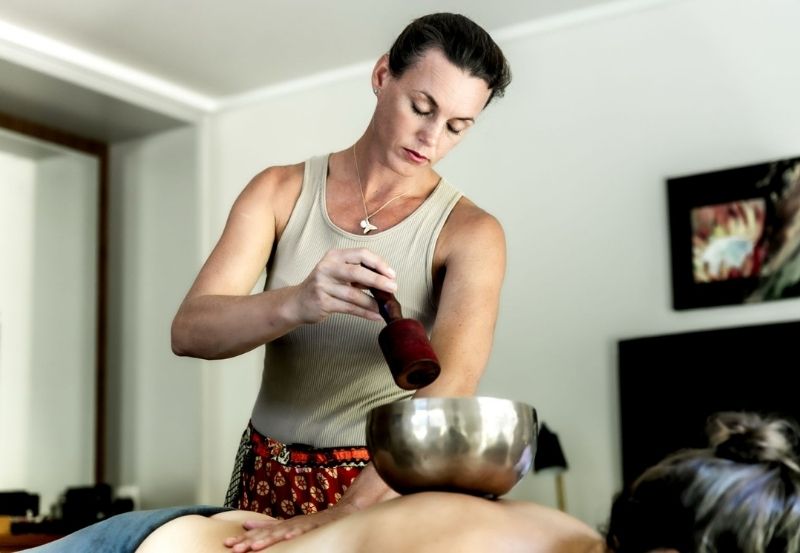
I used low-vibration tuning forks, sound bowls, and Calm roller blend on her neck, chest, and abdomen (vagus nerve and cranial circulation regions). The tension eased, followed by a fascial ice-cube massage, regulating the vascular flow.
“I feel euphoric,” she said. Two months later, and Tasmin has had one minor migraine episode, which we managed with sound and ice.
I recommended daily somatic tools to maintain cerebrospinal fluid (CSF) flow and nervous system regulation:
-
Cat-Cow movement – improves spinal mobility and encourages CSF rhythm.
-
Humming – activates the vagus nerve and supports balance between sympathetic and parasympathetic systems.
-
Hydration with electrolytes – supports cellular and neural conductivity.
-
Ice massage – helps regulate vascular tone and reduce inflammation.
-
Calm Roller Blend – the aroma eases mental tension, supporting regulation of vascular and nervous systems.
Frank arrived with severe sinus pain, congestion, and difficulty focusing. Despite medication, relief was minimal due to poor fluid flow caused by tissue tension in the upper and middle respiratory areas. We had 20 minutes to create change.
I applied a blend of Ground Roller Blend, combined with tuning forks (174–528 Hz) on the affected respiratory areas. Within minutes, I observed softening of the neck muscles, followed by release in the forehead and sinus passages. Sound vibration and essential oils gently released tension, improving mucus flow naturally.
After 15 minutes, Frank’s breath was freer. I advised him to continue his prescribed medication while supporting lymphatic and immune function with:
-
Humming – opens mucous pathways, and gentle face massage to stimulate drainage.
-
Ground or Respire Roller Blend – to reduce inflammation and support airflow.
-
Neck and chest release – neck rolls, massage bridge of nose and forehead, back of neck.
When I first saw Nika, her breathing was shallow, her face pale, and her eyes distant — signs of a nervous system in freeze. Her medication wasn’t providing relief. I applied Calm Roller Blend and stabilised her nervous system with 174–417 Hz tuning forks on her chest and abdomen. The combination of scent and vibration signaled safety. Within 20 minutes, her breath rhythm was steady.
In the follow-up sessions, I used 528–963 Hz frequencies, supporting emotional equilibrium. Her breathing became more regular, her eyes regained their natural brightness, and her voice was clear and grounded. Nika has started using the Calm Roller Blend daily, hums for heart–brain coherence, and limits her screen time.
Across all these sessions, a clear pattern emerged: unprocessed emotion and unresolved trauma are stored in the body and show up in different ways. When we feel safe, we can start to release tension and trauma, and breathe with ease.
Sound, essential oils, touch, and conscious awareness create the bridge between body and mind. Through somatic tools, soft tissue release, and mindful participation, clients begin to feel safe, present, and aware.
I used the following tools to stabilise the systems, inviting softening and gentle release: Fynbos Trio of Wellness, different sound tools, breathwork, and soft tissue release.
Wellness Tools for Therapists
Supporting clients’ wellness goes beyond surface-level treatments. It involves understanding the body’s systems and how they communicate. These practical tips focus on somatic approaches, integrative care, and techniques that promote flow, mobility, and overall resilience. Each section includes key insights and takeaways for your practice.
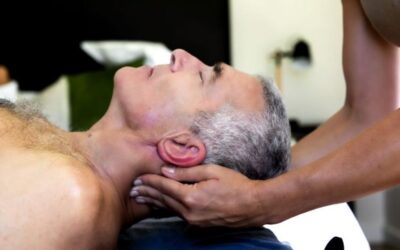
The Rhythm Within
Cerebrospinal Fluid (CSF) and Why It Needs to Move
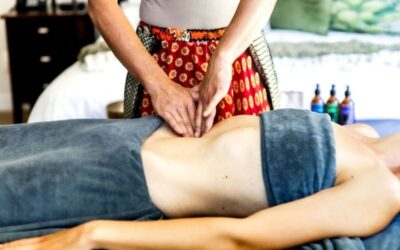
Where Breath Meets the Body
The Diaphragm and Its Connection to the Whole Body
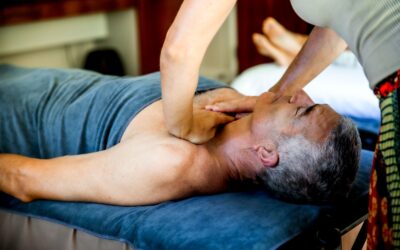
The Body’s Hidden River
The Lymphatic System and Deep Healing
True wellness comes from integration — combining physical awareness, emotional understanding, and mindful practice. This is where somatic and holistic healing meet, offering space for deeper transformation. To help you navigate these concepts, the section below answers some of the most frequently asked questions about this approach to well-being.
Frequently Asked Questions
How do sound frequencies affect the body?
Vibrations at 174–639 Hz can stimulate subtle fluid movement, relax muscles, and influence the parasympathetic nervous system, supporting mental clarity and calm.
What is fascia and why is it important?
Fascia is a connective tissue network that surrounds muscles, organs, and bones. Healthy fascia supports mobility, posture, and efficient movement of fluids and energy.
Can massage or sound therapy relieve chronic pain?
Yes. Massage and vibration therapy can release tension in fascia and muscles, improve circulation, and activate the body’s natural pain-relief pathways.
Can daily breathwork change my wellbeing?
Yes. Practicing even 5 minutes a day can lower stress, improve focus, and gradually retrain your nervous system to stay calm under pressure.
I can’t quiet my mind. Is meditation still helpful?
What are the benefits of therapeutic massage?
Massage releases muscle and fascia tension, improved breath rhythm, stimulates circulation, improves lymphatic fls, and supports emotional balance.
Can psychedelics support healing or wellness?
Under guided, safe, and legal contexts, some psychedelics may support emotional processing, neuroplasticity, and expanded awareness. They are not a substitute for medical treatment.
How do essential oils support wellbeing?
Aromatically it takes 22 seconds to enter the brain, 2 minutes to enter the blood stream and 20 minutes to influence every cell in the body.
Your body is responding to vibration, molecules, electrical signalling and energetic resonance.
Why is lymphatic flow important?
The lymphatic system removes waste, supports immunity, and maintains fluid balance. Restricted flow can contribute to fatigue, swelling, stagnation, and illness.